Intermodal Transportation Explained
Moving freight over long distances requires balancing transportation costs, transit times, and delivery requirements. Intermodal transportation allows businesses to move goods using multiple modes of transportation, such as rail and truck, within a single shipment.
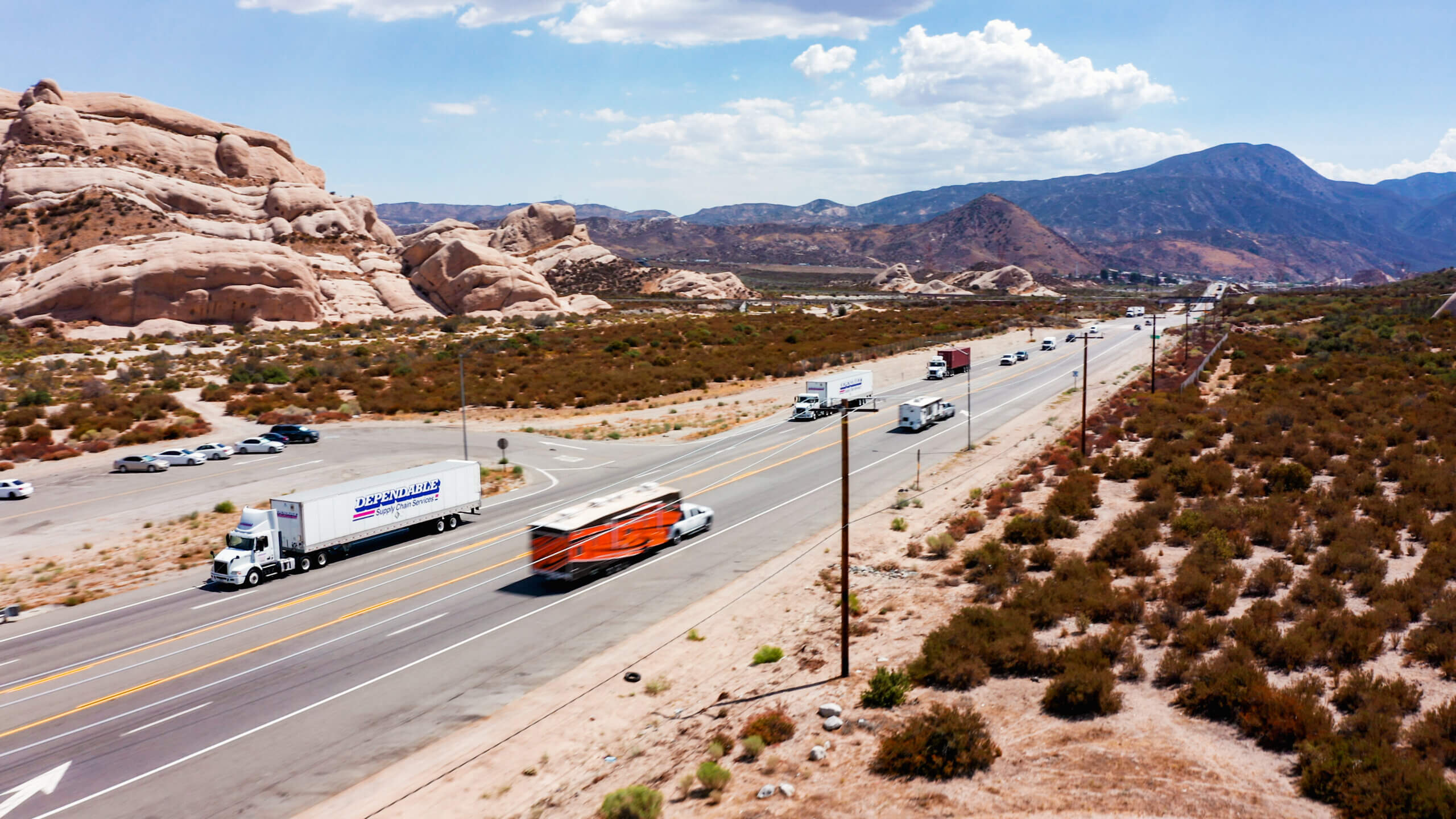
For businesses shipping freight across California or between major markets, intermodal transportation can provide an alternative to relying entirely on long-distance trucking.
What Is Intermodal Transportation?
Intermodal transportation involves moving freight using two or more modes of transportation while keeping the goods in the same container or loading unit as they transfer between modes. A shipment might travel by ship, rail, and truck before reaching its final destination.
Keeping freight in its container reduces the need to unload and reload individual goods during transfers. Each mode serves a different purpose, with rail or ocean transportation handling longer portions of the journey and trucks providing access to ports, rail terminals, warehouses, and final destinations.
Benefits of Intermodal Transportation
When the route and shipment requirements are a good fit, intermodal transportation can offer several advantages.
Potential Cost Savings
Rail can be a cost-effective alternative to long-distance trucking on suitable routes, particularly for businesses moving recurring shipments over longer distances. Although intermodal transportation involves costs for transfers and connecting truck movements, the overall arrangement may reduce long-haul transportation expenses. Comparing the full cost of each option can help determine whether intermodal shipping offers savings for a particular route.
Greater Transportation Flexibility
Intermodal transportation gives businesses more options for moving freight between origin points and final destinations. By combining rail with truck transportation, shippers can use available rail connections for longer journeys while retaining access to locations beyond the rail network. This approach can provide an alternative to relying entirely on highway transportation, depending on the route and delivery requirements.
Reduced Handling of Individual Goods
With intermodal shipping, freight generally remains in the same container as it moves between transportation modes. This reduces the need to unload and reload individual products during transfers, which can help limit handling-related damage and simplify cargo management. Containers still need to be transferred between trucks, trains, or vessels, so the amount of handling and the associated risks will depend on the shipment’s route and transfer points.
When Is Intermodal Transportation a Good Fit?
Intermodal transportation may work well for businesses shipping consistent volumes over longer distances, particularly when shipments follow recurring routes and can accommodate rail schedules.
However, it may not be the best choice for every shipment. Time-sensitive deliveries, routes with limited rail access, or shipments requiring multiple transfers may be better suited to direct trucking. Comparing transit times, total costs, shipment volumes, and delivery requirements can help determine which approach is more practical.
Intermodal Transportation in California
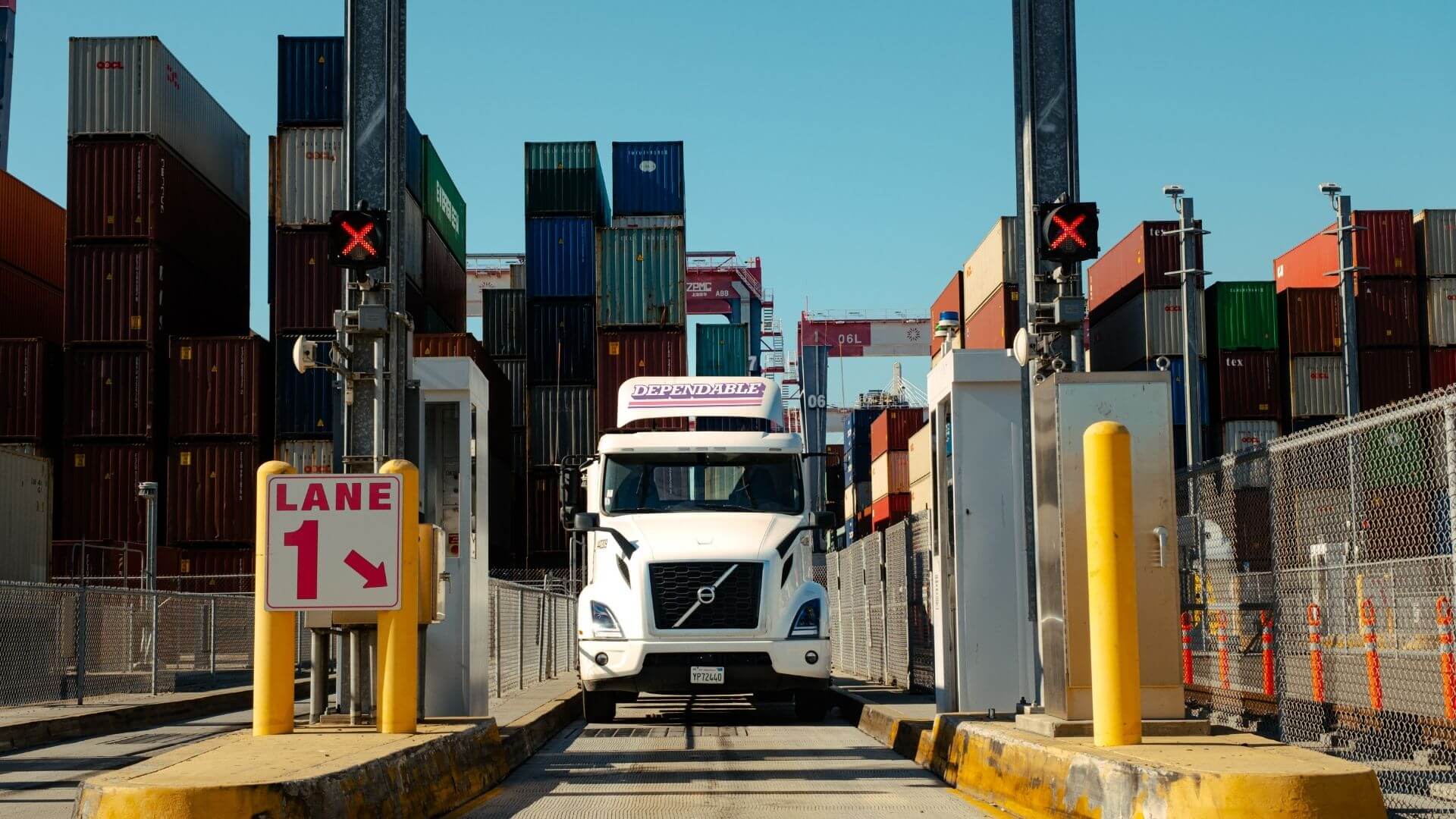
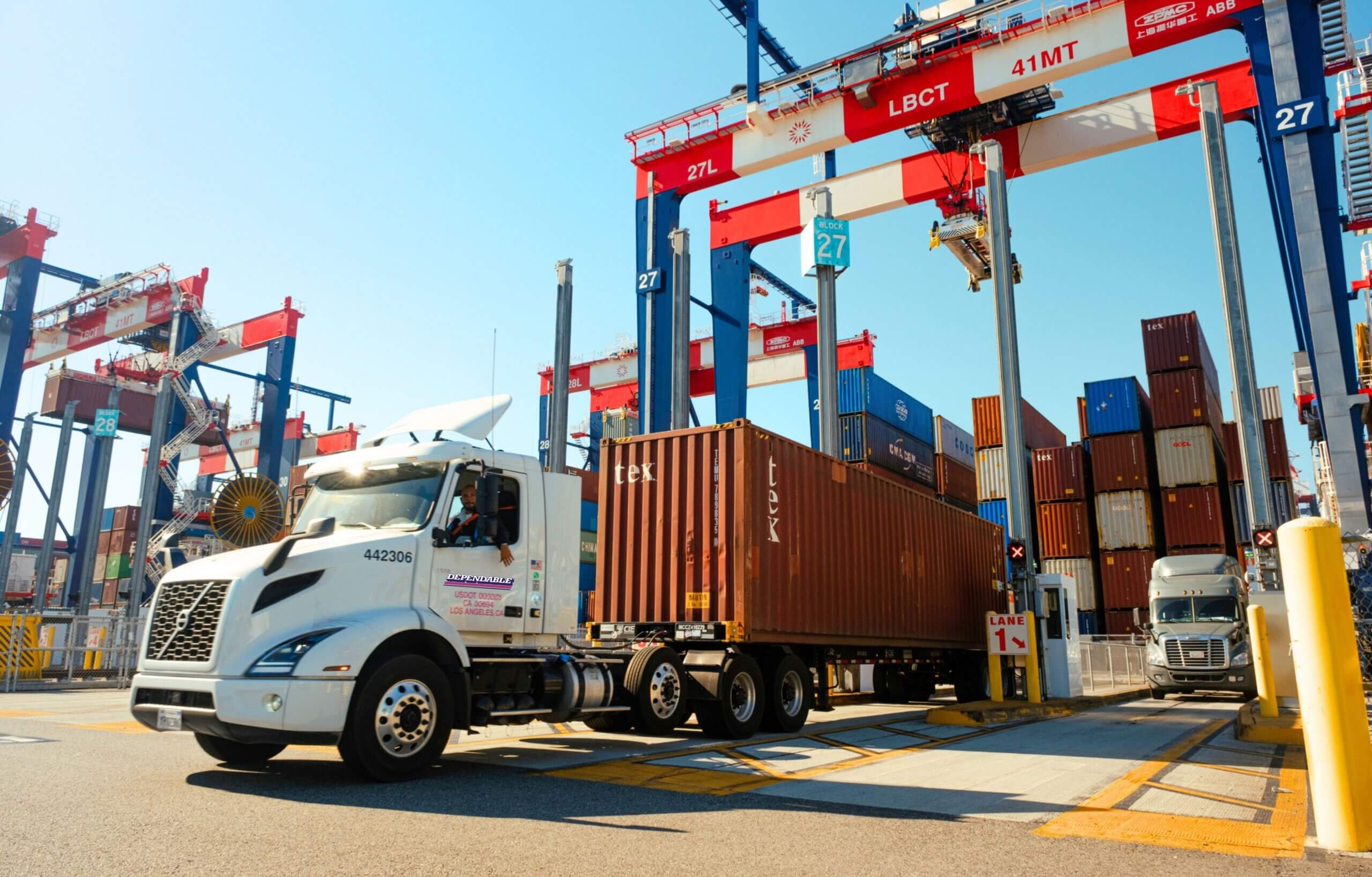
California’s major seaports, rail terminals, and trucking networks connect imported freight with destinations throughout the state and beyond. Businesses moving goods through the Ports of Los Angeles, Long Beach, or Oakland may use intermodal transportation to move containers inland by rail, with trucks connecting ports and rail terminals to warehouses or final delivery locations.
The most suitable arrangement depends on the shipment’s origin and destination, available rail connections, and the coordination required between transportation providers.
Explore Your Trucking Options
Intermodal transportation can provide an alternative to all-road shipping when rail and trucking work together effectively. The right approach depends on your freight, routes, and delivery requirements.
Explore Dependable’s trucking services or contact our team to learn more about transportation options for your business.